
Curry Leaves in Sri Lankan Cooking: The Little Green Leaf Behind Every Great Jaffna Curry
Discover why curry leaves matter in Sri Lankan and Jaffna cooking: how to temper them, store them, pair them with curry powder and use them in everyday meals.
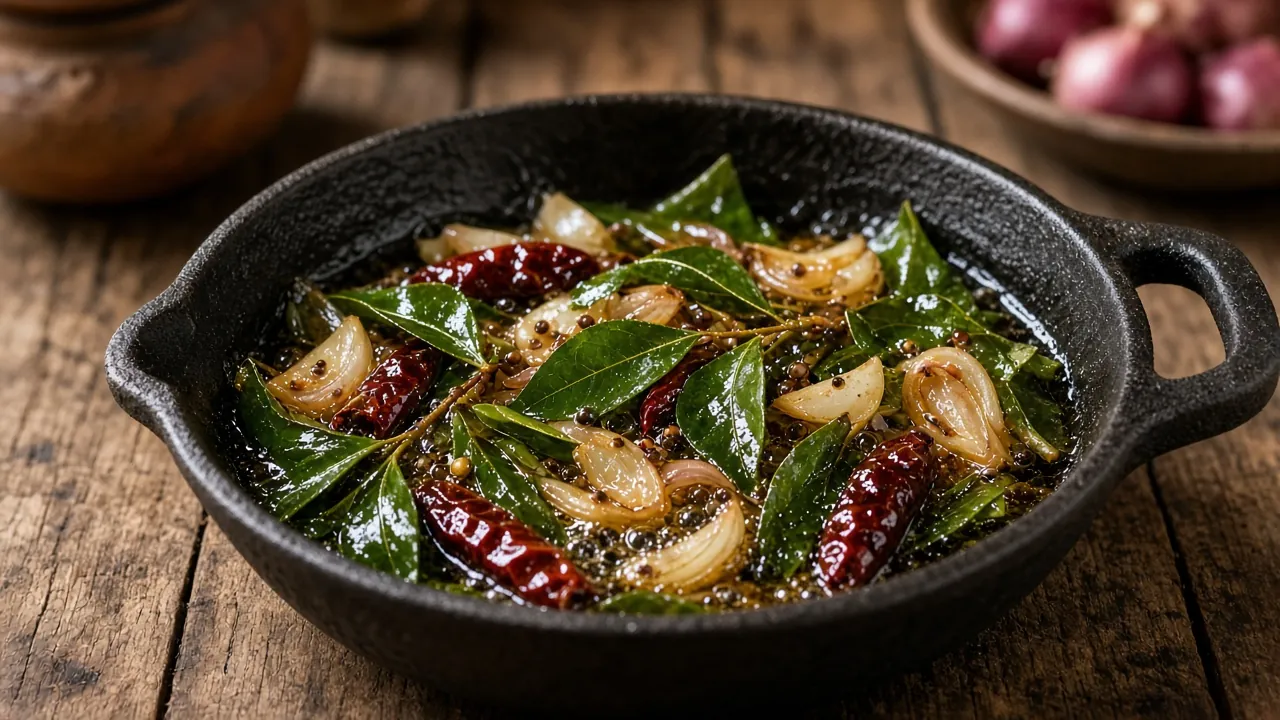
Walk into almost any Sri Lankan kitchen around lunchtime and you’ll hear it before you smell it: that quick, crackling shhh as a handful of curry leaves hits hot oil. A second later the whole house fills with a warm, nutty, slightly citrusy aroma. That’s the moment a curry really begins.
Curry leaves (called karapincha in Sinhala and karuveppilai in Tamil) are one of the most loved ingredients in Sri Lankan home cooking. In Jaffna, a curry without them just doesn’t feel finished. Let’s talk about what they are, how to use them, and why they pair so beautifully with a good roasted curry powder.
What Are Curry Leaves, Really?
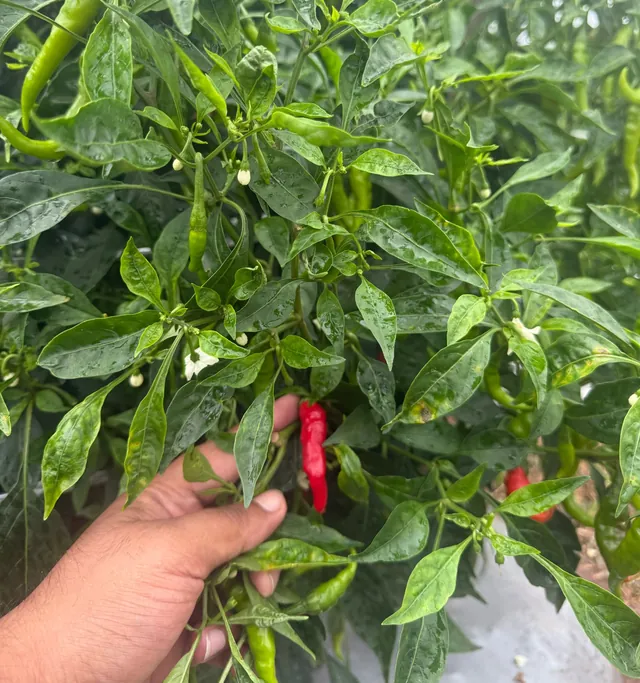
Here’s a common mix-up worth clearing up first: curry leaves are not the same thing as curry powder. Curry powder is a roasted blend of spices. Curry leaves are the fresh, glossy green leaves of a small tree (Murraya koenigii) that grows happily in home gardens all across Sri Lanka.
Many families simply step outside and pick a sprig whenever they cook. The leaves bring:
- A toasty, nutty aroma once they’re fried in oil
- A light citrus and herbal note that freshens rich gravies
- A gentle bitterness that balances coconut milk and chilli heat
- That unmistakable “home-cooked” smell Sri Lankans instantly recognise
Why Jaffna Cooks Love Them So Much
Jaffna food is known for being bold, spicy and deeply roasted. Curry leaves play a quiet but important role in that style. They round off the strong flavours of roasted coriander, cumin, fennel and dried chillies, so the curry tastes full and layered rather than just hot.
You’ll find them in almost everything:
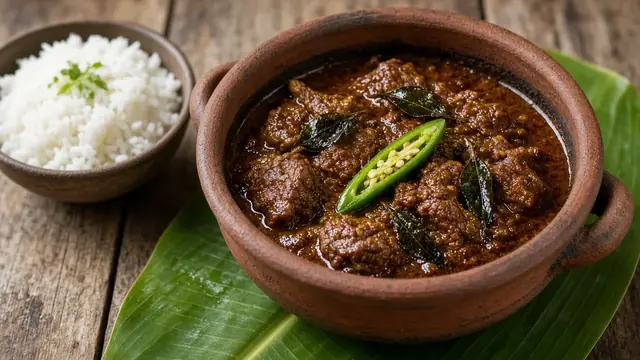
- Meat curries like mutton, chicken and beef
- Dhal and vegetable curries for everyday meals
- Sambols and mallung (finely chopped greens with coconut)
- Kool, Jaffna’s famous seafood broth, and festive dishes
- Tempered snacks like fried chickpeas or murukku mixes
How to Temper Curry Leaves (The Right Way)
Tempering, or thel dala as it’s often called in Sinhala, is simply frying spices and aromatics in hot oil to wake up their flavour. Curry leaves are the star of this step.
A simple tempering method
- Heat 2 tablespoons of coconut oil in a pan over medium heat.
- Add ½ teaspoon of mustard seeds and wait until they start to pop.
- Add a few broken dried red chillies and a sliced onion or a handful of shallots.
- Toss in one or two sprigs of curry leaves. Stand back a little, they’ll splutter!
- Stir for 20 to 30 seconds until the leaves turn crisp and darker green.
Little tips that make a big difference
- Dry the leaves well after washing. Wet leaves make the oil spit.
- Don’t burn them. Once they go brown and brittle, the flavour turns bitter.
- Use them whole on the sprig for easy removal, or strip them for a stronger taste.
- Add a second handful at the end for an extra fresh aroma on top of your curry.
Curry Leaves and Jaffna Meat Curry Powder: A Perfect Match
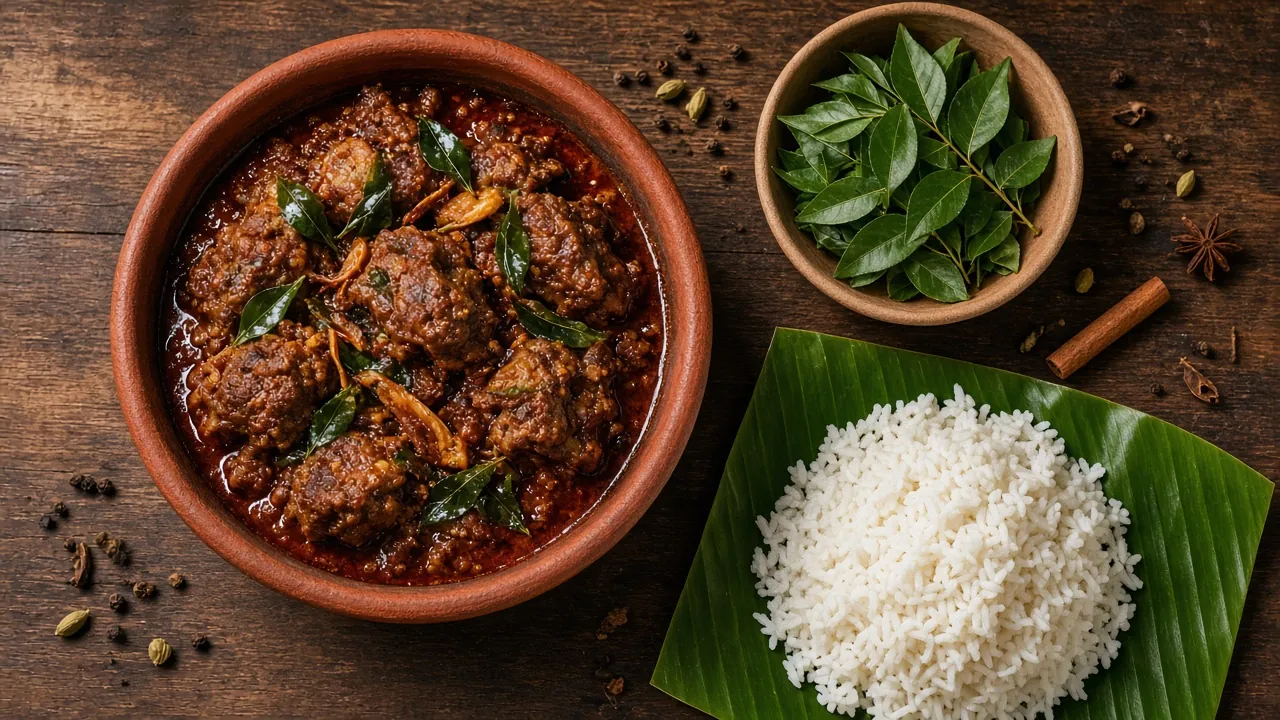
If roasted curry powder is the heart of a Jaffna meat curry, curry leaves are the finishing touch. Here’s how home cooks usually bring the two together:
- Start with tempering: fry curry leaves, onions, garlic and ginger in oil first.
- Bloom the curry powder: add your curry powder to the hot oil for a minute so it releases its aroma without burning.
- Add the meat: coat it well in the spice mixture before adding water or coconut milk.
- Finish with fresh leaves: a few torn leaves stirred in just before serving lift the whole pot.
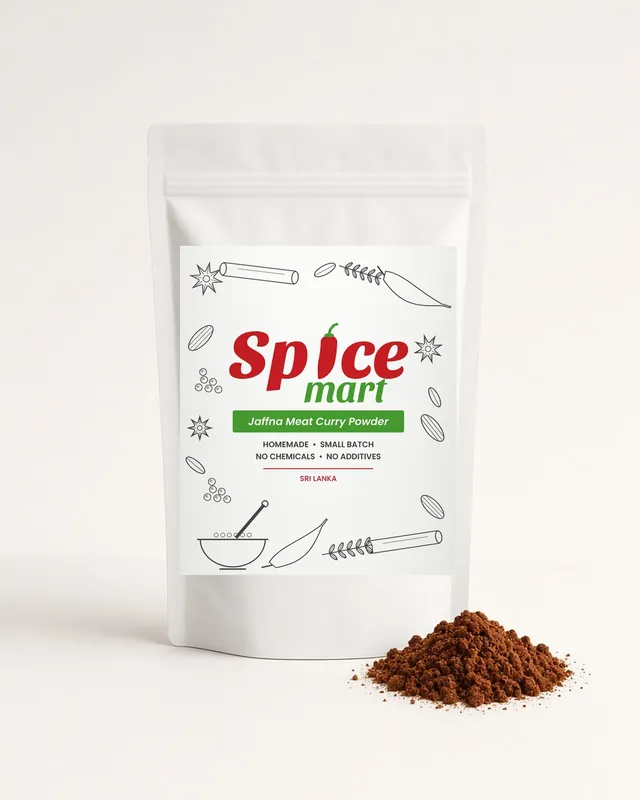
Using our homemade Spice Mart Meat Curry Powder this way gives you that deep, roasted northern flavour, while the curry leaves add brightness and that classic Sri Lankan aroma. It works beautifully for mutton, chicken, beef and even hearty vegetable curries. If you’d like a full step-by-step example, try our Jaffna chicken curry recipe.
Easy Ways to Use Curry Leaves Every Day
You don’t need to cook a full feast to enjoy curry leaves. Try these simple ideas:
- Fried rice or leftover rice: temper curry leaves with onion and a pinch of curry powder, then toss through the rice.
- Scrambled eggs or omelette: add finely chopped leaves with green chilli and onion.
- Potato tempered curry: boiled potatoes, curry leaves, mustard seeds and a little curry powder make a quick side dish.
- Coconut sambol: a few chopped leaves add a lovely herbal note.
- Buttermilk or yoghurt drinks: a little crushed curry leaf and ginger is a traditional South Asian touch.
How to Buy and Store Curry Leaves
Fresh is always best, but with a little care you can keep curry leaves for quite a while.
Choosing fresh leaves
- Look for bright, glossy, deep green leaves.
- Avoid sprigs with yellow or black spots.
- They should smell fresh and aromatic when you rub a leaf between your fingers.
Keeping them fresh
- In the fridge: wrap the sprigs in a dry paper towel and keep them in an airtight container or zip bag. They usually last one to two weeks.
- In the freezer: strip the leaves, dry them well and freeze them in a bag. They lose a little colour but keep much of their aroma for cooking.
- Dried leaves: handy in a pinch, but the flavour is much milder than fresh.
If you live abroad, check South Asian or Sri Lankan grocery shops. And if you have a sunny spot, a small curry leaf plant in a pot is a lovely thing to grow at home.
A Note on Curry Leaves and Wellness
In Sri Lankan and wider South Asian kitchens, curry leaves have long been traditionally valued as part of everyday home cooking. They’re often discussed as a natural way to add flavour and freshness to meals without relying on heavy sauces. Like any herb or spice, they’re best enjoyed as part of a balanced, varied diet and a big part of their charm is simply how good they make food taste. This post is cooking inspiration, not medical advice.
Common Questions About Curry Leaves
Can I eat the curry leaves in my curry?
Yes, they’re edible. Many people push them to the side of the plate, but crispy fried curry leaves are delicious and lots of Sri Lankans happily eat them.
Can I substitute curry leaves with bay leaves?
Not really. Bay leaves have a completely different flavour. If you can’t find curry leaves, it’s better to leave them out than to swap them. Your curry will still be tasty, just a little less “Sri Lankan”.
How many curry leaves should I use?
For a curry serving four people, one or two sprigs (around 10 to 20 leaves) is plenty. Add more if you love the aroma.
Bring the Taste of a Jaffna Kitchen Home
Curry leaves are proof that the smallest ingredients often make the biggest difference. A quick sizzle in hot oil and suddenly your kitchen smells like a Jaffna home at lunchtime.
Pair them with our homemade Spice Mart Meat Curry Powder in a 500g pouch from Spice Mart, roasted and blended the traditional Jaffna way, and you’ll have everything you need for a curry that tastes just like home. Happy cooking!