
Ceylon Cinnamon: Why Sri Lanka's True Cinnamon Is Different (and How to Use It)
Ceylon cinnamon vs cassia explained: how to spot Sri Lanka's true cinnamon, how it is used in Sri Lankan kitchens, and easy ways to cook with it in curries and tea.
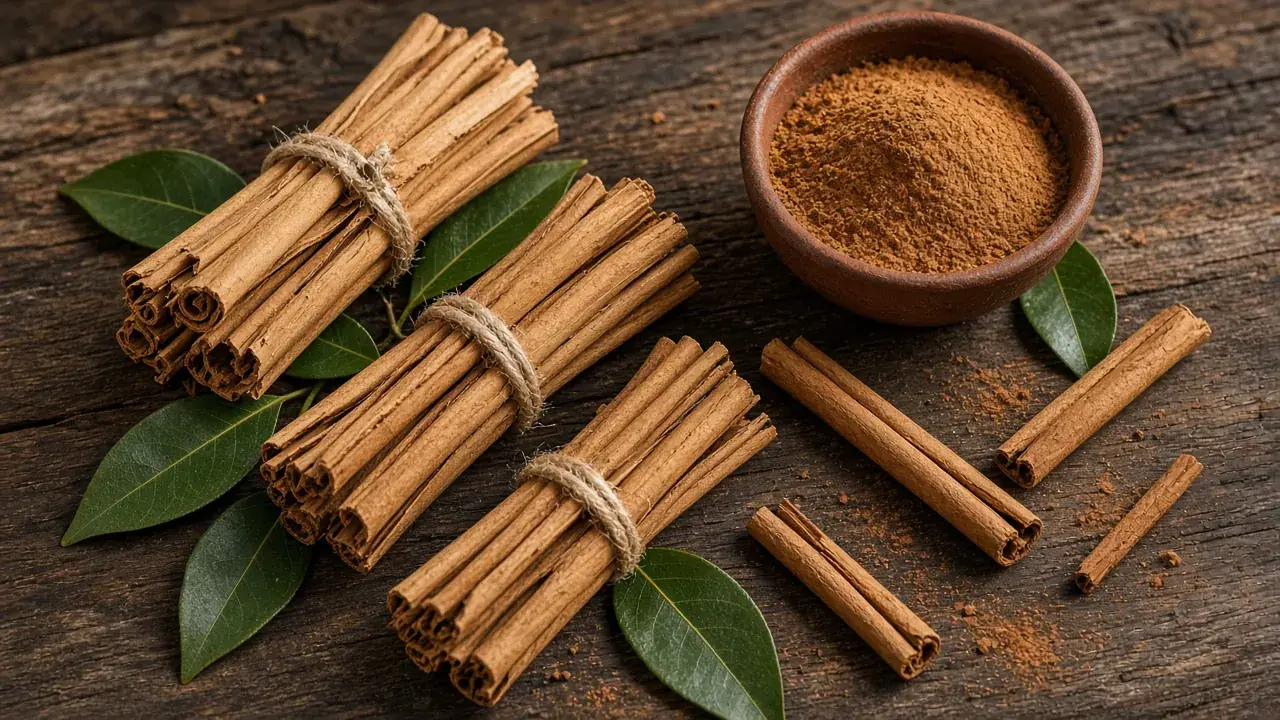
Open a jar of good Ceylon cinnamon and take a slow breath. It’s soft, sweet and almost floral, nothing like the sharp, hot smell of the cinnamon most supermarkets sell. That gentle aroma has travelled the world from Sri Lanka for centuries, and it still sits at the heart of nearly every Sri Lankan kitchen today.
Let’s look at what makes Ceylon cinnamon so special, how to tell it apart from cassia, and the easiest ways to bring it into your everyday cooking.
What Is Ceylon Cinnamon?
Ceylon cinnamon comes from the inner bark of the Cinnamomum verum tree, often called “true cinnamon.” The tree is native to Sri Lanka, which was known as Ceylon, and that’s where the name comes from.
Harvesting it is a real craft. Skilled peelers shave the thin inner bark from young branches by hand. The strips are layered and rolled into long, delicate quills, then dried slowly in the shade. It takes patience and practice, and it’s a skill passed down through families.
The result is a spice that’s light, fragrant and gentle, with a sweetness that never overpowers a dish.
Ceylon Cinnamon vs. Cassia: How to Tell the Difference
Much of the “cinnamon” sold around the world is actually cassia, a related spice from other Cinnamomum species. Both are tasty, but they’re quite different.
Ceylon cinnamon
- Thin, papery layers rolled tightly together, like a cigar
- Light tan colour
- Brittle and easy to crumble or grind at home
- Mild, sweet and delicate flavour with citrusy, floral notes
Cassia
- One thick, hard layer of bark that curls inward from both sides
- Darker reddish-brown colour
- Very hard, so it’s tough to break by hand
- Strong, spicy and slightly bitter taste
The coumarin question
Cassia naturally contains much more coumarin, a compound that health authorities advise people not to eat in large amounts regularly. Ceylon cinnamon contains only small traces. That’s one reason many home cooks who use cinnamon every day prefer the Ceylon kind.
Ceylon Cinnamon in the Sri Lankan Home Kitchen
In Sri Lanka, cinnamon has a long place in everyday cooking and home traditions. Here’s how it’s traditionally used:
- Cinnamon tea — a warm cup of cinnamon tea after a meal is a common household habit.
- Warming comfort — in traditional practice, cinnamon is considered a “warming” spice, often used in drinks during cool or rainy weather.
Cooking inspiration, not medical advice: cinnamon is a food, not a medicine. If you’re managing a health condition or taking medication, please talk to your doctor.
How to Cook With Ceylon Cinnamon
The beauty of Ceylon cinnamon is how easily it fits into both sweet and savoury dishes.
In Sri Lankan curries
A small piece of cinnamon quill is one of the first things to hit the hot oil when making a curry.
- Heat a little oil in a pan.
- Add a 2–3 cm piece of cinnamon, a few cardamom pods, cloves and a sprig of curry leaves.
- Let them sizzle for 20–30 seconds until fragrant.
- Add your onions, garlic and ginger, then carry on with your curry.
This tempering step builds a lovely sweet, aromatic base. It works beautifully with chicken, mutton and beef curries, and it balances the bold heat of a roasted blend like Jaffna meat curry powder.
In rice dishes
Drop a cinnamon quill into the pot when cooking yellow rice, ghee rice or biryani. It perfumes every grain without making the rice taste “sweet.”
In drinks
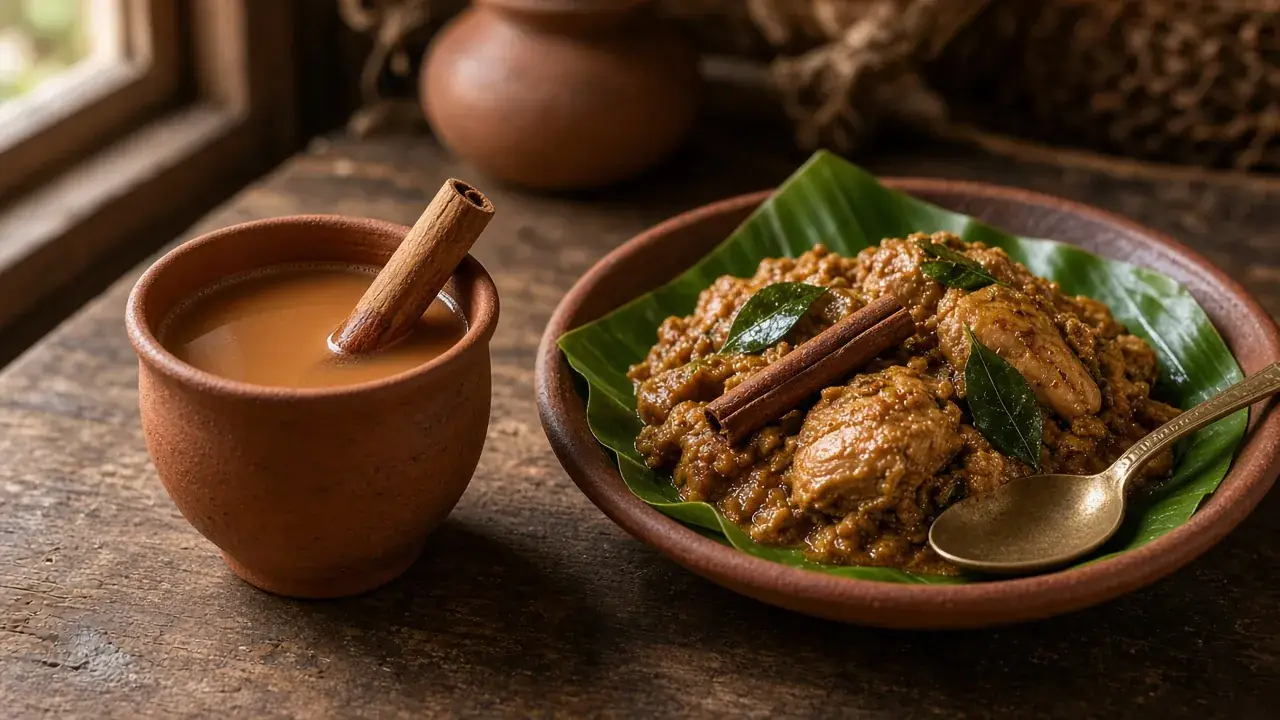
- Cinnamon tea — simmer a small quill in water for 5–10 minutes, then add a little honey or a slice of ginger.
- Spiced Ceylon tea — add a pinch of ground cinnamon to your milk tea for a cosy twist.
- Morning coffee — a light sprinkle on top adds natural sweetness.
In sweets and baking
Ceylon cinnamon is lovely in watalappan, rice puddings, banana bread, pancakes and fruit desserts. Because it’s milder than cassia, you can use a little more for a fuller aroma without bitterness.
Tips for Buying and Storing Cinnamon
A few simple habits keep your cinnamon fresh and fragrant:
- Buy quills when you can. Whole quills hold their aroma longer than powder.
- Check the layers. Thin, many-layered quills are a good sign of Ceylon cinnamon.
- Grind small batches. Ceylon quills are soft enough to grind at home in a spice grinder.
- Store it airtight. Keep it in a sealed jar, away from heat, light and moisture.
- Trust your nose. If it smells faint or dusty, it’s time for a fresh batch.
Cinnamon in the Jaffna Kitchen
Up in the Jaffna peninsula, cinnamon plays a quieter but important role. Jaffna cooking is famous for its fiery, dark-roasted curries, and a touch of cinnamon brings warmth and a hint of sweetness that rounds out all that heat. You’ll find it in traditional roasted curry powders, in the tempering for meat curries and in festive rice dishes.
It’s a perfect example of how Sri Lankan spices work together: bold and gentle, hot and sweet, all in one pot.
Bring True Cinnamon Into Your Kitchen
Ceylon cinnamon is one of Sri Lanka’s oldest gifts to the world, and it still feels special every time you open the jar. Whether you’re tempering a curry, brewing a cup of tea or baking something sweet, a little true cinnamon makes the whole kitchen smell like home.
Explore the homemade spices at Spice Mart, and pair your cinnamon with our roasted Jaffna Meat Curry Powder for a curry that’s rich, warm and full of real Sri Lankan flavour.


